Hope in Action: Jane Goodall's Legacy & Big Wins for Animals

Recent news brings powerful evidence that the relentless work to end animal experiments is bearing fruit. On Friday, the CDC announced it is ending the use of monkeys in research. This landmark move is just the latest in a series of breakthroughs pointing to a radical shift in phasing out animal experiments.

On September 25, NIH announced the creation of a new center dedicated to developing organoids to replace animals. The Standardized Organoid Modeling (SOM) Center will bring together an internationally renowned group of scientists to guide its research agenda validating and expanding organoids to replace animals.

Across the Atlantic, the UK government revealed a remarkable and groundbreaking initiative on November 11, putting into effect specific, detailed plans to phase out animal testing for drug research. This powerful step by a major global player bolsters parallel efforts for phasing out animal experiments here in the U.S.

The permanent closure of Ridglan Farms—one of the nation’s largest suppliers of beagles for laboratory research—will end decades of suffering and systemic abuse as the facility’s shutdown marks a major turning point.

As we celebrate these milestones, we pause to honor the life and legacy of the extraordinary Jane Goodall, who passed away on October 1. Her relentless advocacy and unwavering hope transformed the way we view animals and the planet. In 2021, CAARE was privileged to work with Dr. Goodall to promote the Humane Research and Testing Act in Congress.

Dr. Goodall was a beacon of hope and indefatigable advocacy. As she wrote in The Book of Hope: A Survival Guide for Trying Times: “Hope is often misunderstood. People tend to think that it is simply passive wishful thinking: ‘I hope something will happen but I’m not going to do anything about it.’ This is indeed the opposite of real hope, which requires action and engagement.” Dr. Goodall embodied this real hope—propelling us forward with courage, vision, and love. Together, let us continue her legacy to turn hope into action.


CDC to end all monkey research — a long-overdue ethical victory
alzheimers_model.jpg

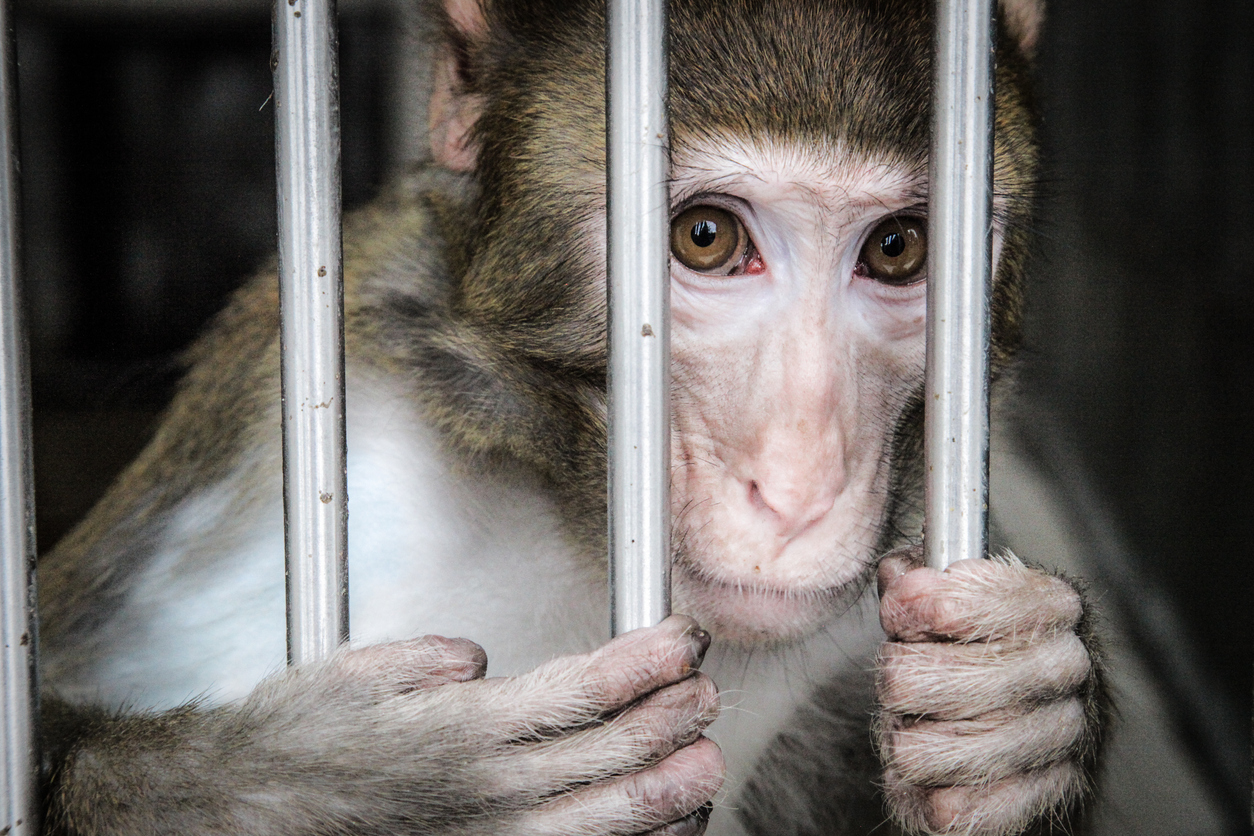
In an extraordinary move for animals, the Centers for Disease Control and Prevention (CDC) announced on Friday November 21, that it is phasing out all research on monkeys, affecting around 200 macaques. This landmark decision marks a decisive move away from an outdated and ethically problematic approach — one that often fails to predict human biology. The agency is shifting toward human-relevant methods, including organ-on-chip platforms, tissue systems, and computational workflows — modern tools that are more ethical and scientifically promising.
This change is more than just policy — it’s a moral and scientific turning point. By ending primate testing, the CDC is recognizing the value of human-based research over harmful animal experiments. While it’s yet unclear where the monkeys will go, the broader implication is clear: research is evolving toward practices that respect both human relevance and animal welfare.

NIH Establishes Nation’s First Dedicated Organoid Development Center to Reduce Reliance on Animal Modeling
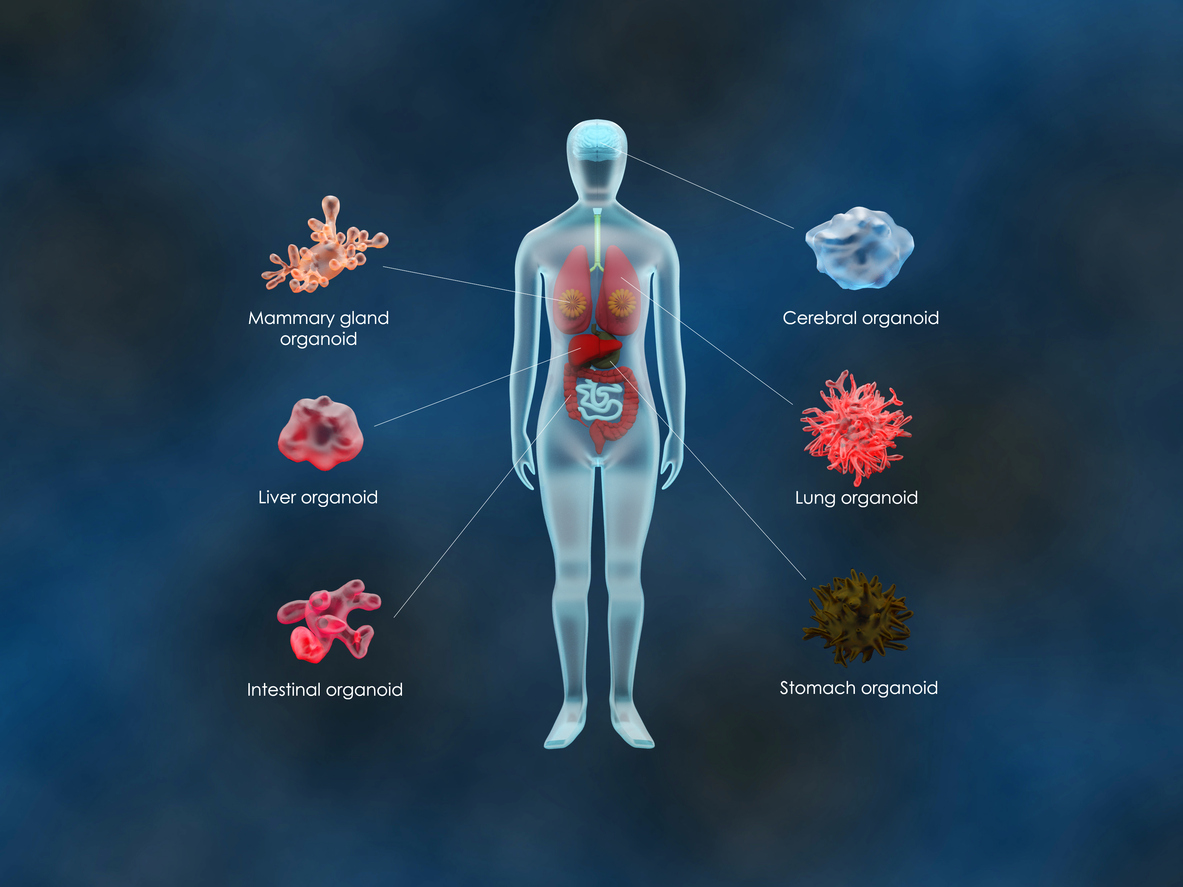
To further its plans to phase out animal research announced in April of this year, the National Institutes of Health (NIH) has established the Standardized Organoid Modeling (SOM) Center, the nation’s first facility dedicated to perfecting lab-grown human tissue models. Backed by $87 million in funding, this groundbreaking initiative aims to accelerate medical research and significantly reduce the scientific community's reliance on animal testing.
Organoids are miniature, three-dimensional structures that replicate the function of human organs. While promising, they have historically been difficult to reproduce consistently. The new center will utilize artificial intelligence and robotics to standardize these models, ensuring they are reliable for researchers worldwide.
Initially focusing on the heart, lung, liver, and intestine, the SOM Center will provide open-access resources to scientists and clinicians. By collaborating with regulators like the FDA, the NIH aims to make these human-based models a trusted standard for drug safety and disease research, paving the way for phasing out animal research in favor of faster, more human-relevant healthcare solutions.

UK Government announces plans to phase out animal testing for drugs
tourette.jpg

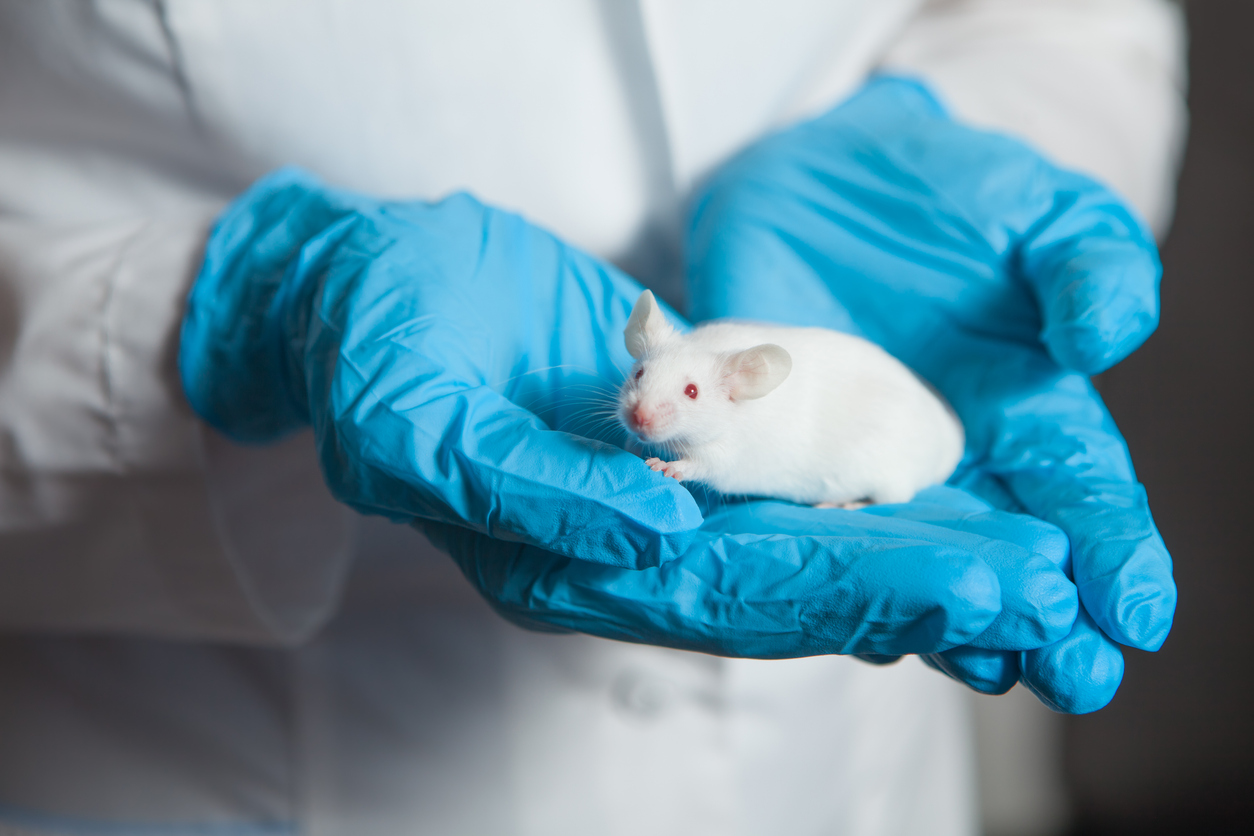
On November 11, 2025, the UK government revealed a groundbreaking initiative aimed at phasing out animal testing for drug research and replacing it with cutting-edge alternative methods. The £60 million ($78 million) plan outlines a clear path to gradually reduce and eventually eliminate the use of animals in drug research and safety evaluations, while ensuring that high standards for health and safety are upheld.

The new policy sets firm timelines for ending specific methods, reflecting growing confidence in animal-free technologies. According to the plan, by the end of 2026, regulatory tests that assess skin and eye irritation will no longer use animals. In 2027, the government will end the use of mice in cruel LD50 potency testing for Botox, replacing them entirely with laboratory assays. That same year, DNA-based detection methods will be adopted for ensuring medicines are free of viral or bacterial contamination, replacing older approaches like the rabbit pyrogen test that killed untold numbers of animals.

The UK government plans to significantly reduce pharmacokinetic testing on dogs and non-human primates by 2030, advancing new scientific tools that can better predict how drugs behave in the human body. The initiative signals a notable shift toward superior research designed around human biology and also strengthens similar recent initiatives by the NIH and FDA aimed at reducing and phasing out animal experiments in the U.S.


Facing Claims of Animal Abuse, a Major Breeder of Research Dogs Will Close Its Pipeline
tourette.jpg

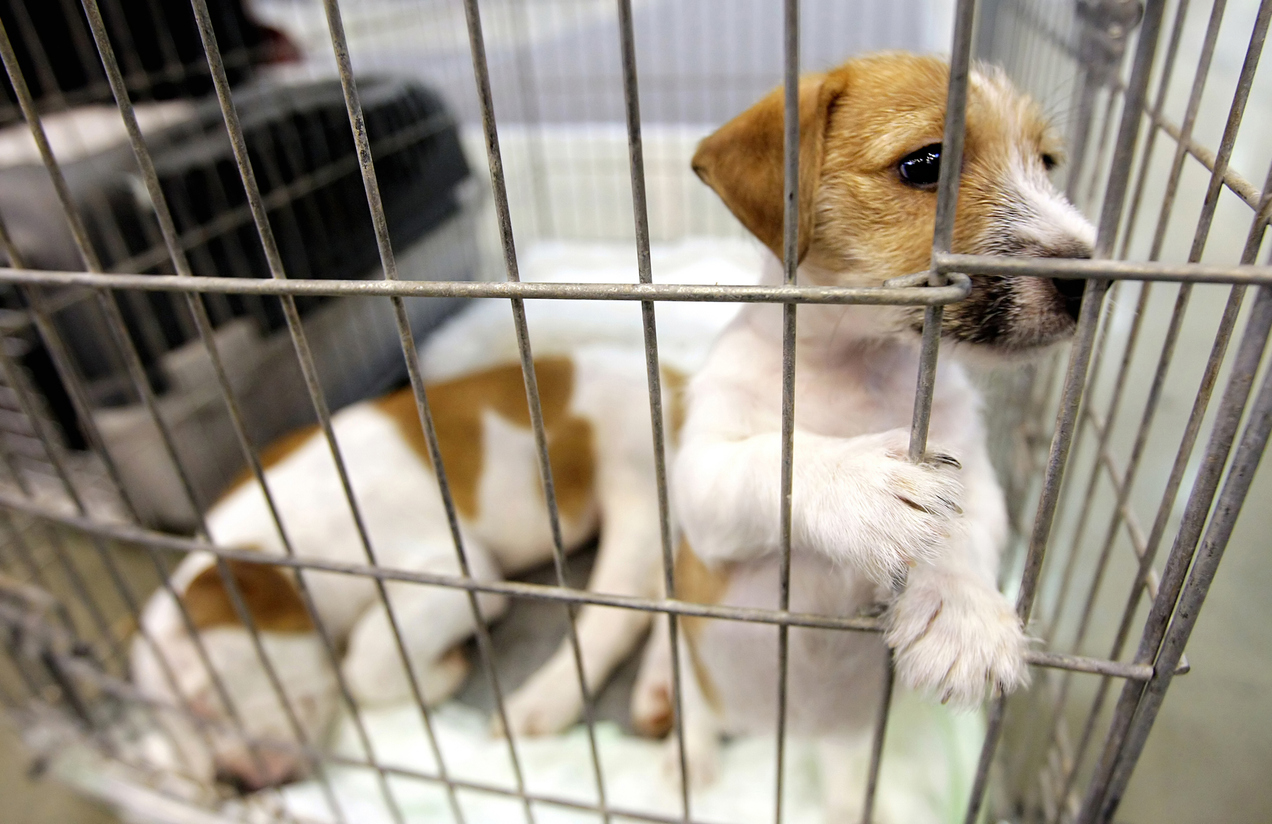
Ridglan Farms — one of the nation’s largest suppliers of beagles for laboratory research with 2,500 dogs — will permanently close its breeding operations following extensive allegations of severe and long-standing animal abuse. After years of exposure from animal activists, federal investigations and court documents revealed dogs confined in overcrowded enclosures, subjected to painful procedures without anesthesia, and left to suffer untreated injuries and illnesses. Some dogs were found emaciated and living among waste.
Rather than face being charged with animal welfare violations, Ridglan entered into a settlement with state prosecutors to wind down its operations. Under the settlement, the company must surrender its Wisconsin breeder license and stop selling and transferring dogs for research by July 1, 2026.
This is a major turning point. For decades, Ridglan Farms was the second largest source of dogs used in research across the U.S., and its closure directly disrupts a supply chain that has operated with limited transparency. The decision reflects growing public and regulatory refusal to tolerate animal cruelty as a cost of scientific work.

Jane Goodall’s lifelong fight for animals
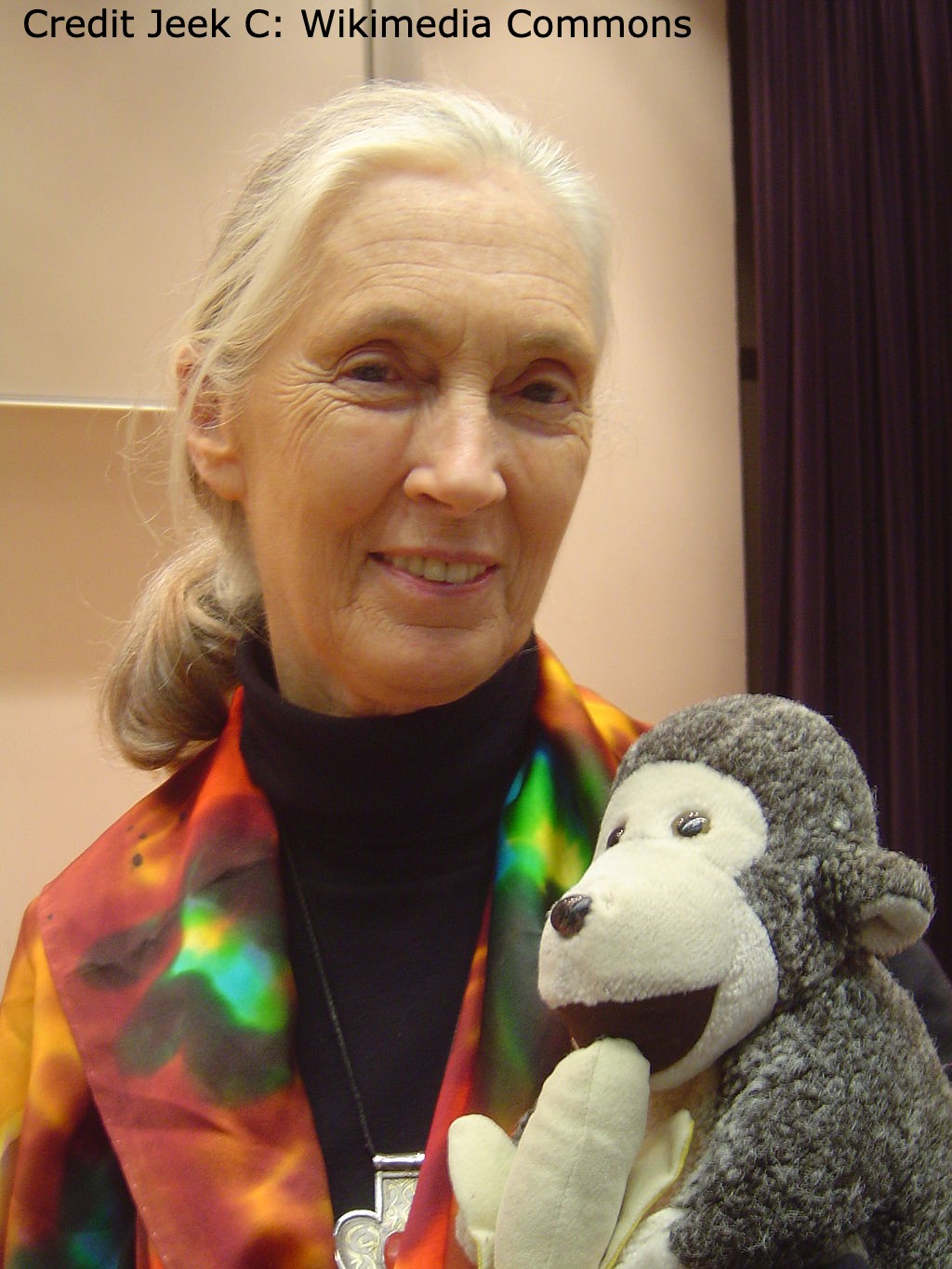
We celebrate the life of Dr. Jane Goodall, humanitarian, environmentalist and animal advocate, who died on October 1 at 91. She championed animal rights, conservation, and inspired global compassion.
Though she was in her nineties, she was on a lifelong and unstoppable mission, traveling 300 days a year to impart her urgent message to save the planet and its human and animal inhabitants. According to The Jane Goodall Institute, she died peacefully in her sleep while on a speaking tour in California.
Dr. Goodall strongly opposed animal experimentation, emphasizing that scientific progress must answer to ethical imperatives by using humane methods in place of animal suffering.  It was a pleasure and a privilege to have met her when she joined with CAARE in 2021, while promoting The Humane Research & Testing Act to compel NIH to phase out animal experiments.
Originally celebrated for her pioneering chimpanzee research that revealed the depths of their emotion and intellect, Dr. Goodall became a leading voice for animal protection, urging society to rethink its treatment of nonhuman life. She strongly condemned factory farming as one of humanity’s greatest moral failures, highlighting the suffering it inflicts on sentient beings and the environment.
Her advocacy extended to animal agriculture, conservation, climate change, wildlife protection and world peace. She advocated for ethical science, veganism and legal frameworks that recognize animals’ intelligence and capacity for suffering.

Dr. Goodall leaves behind a legacy that inspires us to channel hope into action and fight for a world that extends compassion for all.


Citizens for Alternatives to Animal Research & Experiments (CAARE), is a 501(c)(3) non-profit organization, established to highlight and promote research without animals.

Your donation helps us carry out our mission to speak up for animals in laboratories, and to end animal suffering by disseminating information about the power and progress of research without animals.


Showing 1 reaction

  • Barbara Stagno
    published this page in Newsletters 2025-11-24 11:33:43 -0500